
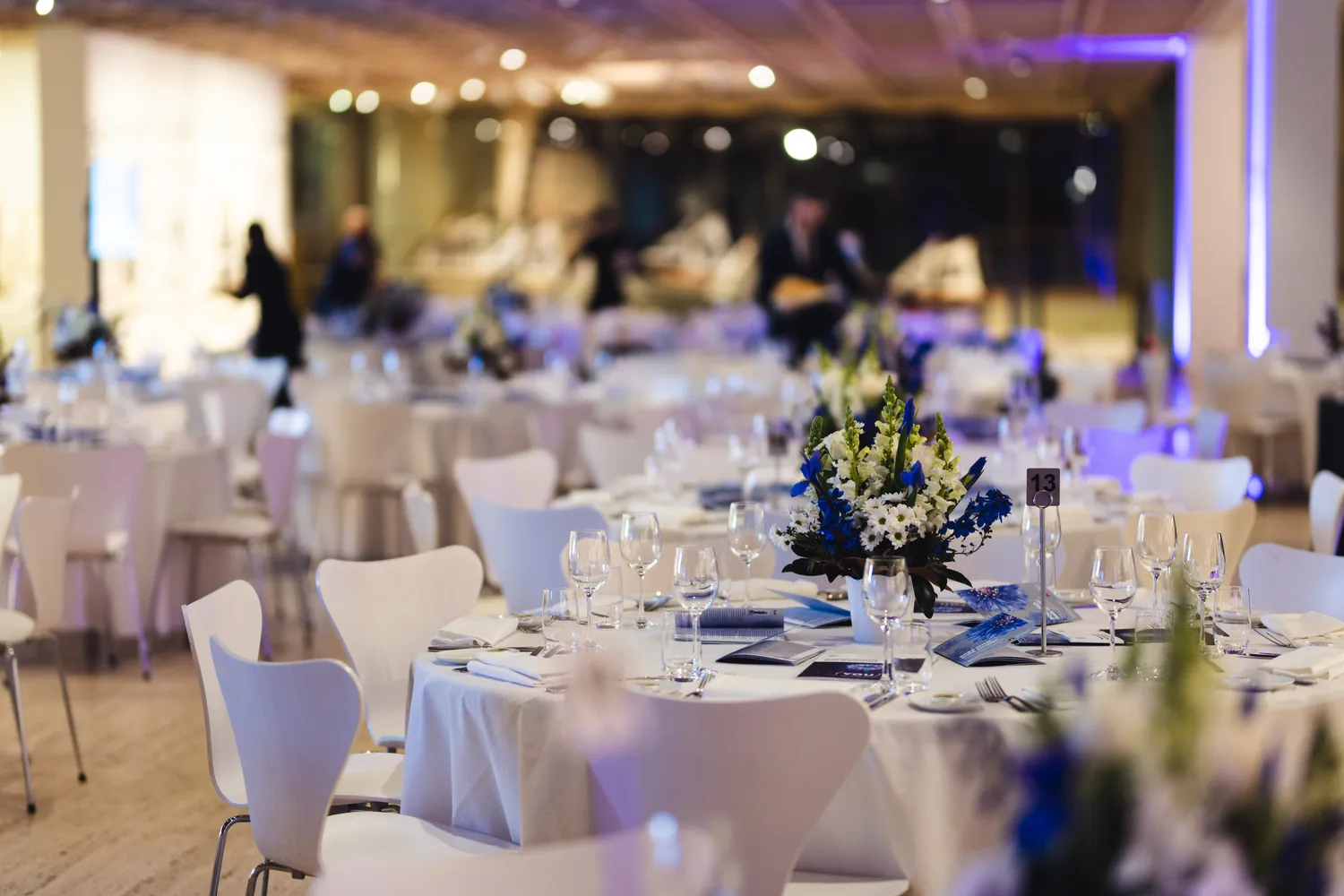
When planning a charity gala, fundraising ball or school event, one of the biggest decisions is how to make the most of the items donated.
You might have a holiday house stay, signed sporting memorabilia, restaurant experiences, artwork, gift hampers and a range of other generous contributions. But should they all be presented from the stage, or would some be better suited to a silent auction?
The answer isn’t necessarily live or silent. Both formats have their place, and the best approach is to give each item the opportunity to attract the strongest possible bidding.
At Event Auctioneers, we specialise in live fundraising auctions. We also understand that the live auction is just one part of the evening. The MC, silent auction provider, volunteers and event organiser all play an important role in creating an engaging fundraising experience.
Here’s how to bring everything together.
How does a live auction work?
A live auction is conducted by an auctioneer in front of the room. Items are introduced one at a time, with guests bidding by raising a paddle, hand or other agreed bidding method.
Bid spotters positioned throughout the room help identify bids and communicate them to the auctioneer, allowing the bidding to build and the auction to maintain its momentum.
The biggest advantage of a live auction is the attention it creates. Everyone is focused on the same item, the auctioneer can explain its appeal, and friendly competition between guests can develop as the bidding progresses.
An experienced charity auctioneer knows how to read the room, recognise potential bidders, build excitement and encourage participation without making guests feel uncomfortable.
Best suited to: Standout experiences, holiday packages, signed memorabilia, original artwork, exclusive opportunities and anything with a compelling story or strong emotional appeal.
How does a silent auction work?
A silent auction allows guests to browse items and place bids over a set period, either on paper bid sheets or through a mobile bidding platform.
Unlike a live auction, there is no auctioneer calling for bids in front of the room. Guests can browse at their own pace, compare what’s on offer and bid on the items that interest them.
A well-organised silent auction can be a significant fundraising opportunity in its own right. Holiday stays, dining experiences, gift hampers, sporting tickets and premium packages can all attract strong bidding when they’re presented well and promoted to the right audience.
Best suited to: Holiday stays, dining experiences, gift hampers, restaurant and retail vouchers, sporting tickets, wellness packages, smaller experiences and other desirable items that guests can browse and bid on throughout the evening.
Live vs silent auctions at a glance
| Live auction | Silent auction | |
|---|---|---|
| Number of items | Around 6–8 quality lots | Depends on space and resources |
| Format | Auctioneer-led bidding in front of the room | Guests bid independently |
| Timing | A dedicated part of the evening | Usually runs during arrival drinks and other designated periods |
| Atmosphere | Creates shared excitement and competition | Encourages guests to browse and compete at their own pace |
| Best suited to | Standout items with strong audience appeal | A broader selection of desirable items and experiences |
| Who manages it | Auctioneer and bid spotters | Volunteers or a specialist bidding provider, supported by the MC |
Neither format is automatically better. The important thing is to match the item to the audience and the format that gives it the best opportunity to attract bids.
How to decide which items go where
When sorting through donated items, consider the following.
1. What will appeal most to your audience?
Think about the guests attending your event. A holiday stay, dining experience or sporting package might be particularly appealing to your audience, whether it’s offered in the live or silent auction.
2. Will it benefit from a live presentation?
Some items have a story, an emotional connection or an element of exclusivity that makes them particularly effective when introduced by an auctioneer in front of the room. These are often strong live auction candidates.
3. Is it well suited to browsing and individual bidding?
Holiday packages, restaurant experiences, hampers and vouchers can all work very well in a silent auction. Guests have time to consider the offering and decide how much they’re prepared to bid.
4. How many items do you have?
Resist the temptation to put everything in the live auction. Around 6–8 quality lots is a good starting point. A larger selection of desirable items can be offered through the silent auction.
The aim is to give each item the best opportunity to attract bids, rather than assuming certain categories automatically belong in one format.
The MC’s role in making the silent auction successful
One thing that can easily be overlooked when planning a silent auction is the role of the MC.
A silent auction shouldn’t simply be left to run in the background. Guests need to know what’s available, how to participate and when they need to place their bids.
The MC plays an important role in keeping the silent auction front of mind throughout the evening.
Rather than simply reminding guests that the silent auction is open, the MC should actively help generate interest.
For example:
- Introduce the silent auction early. Let guests know where the items are located, how to place bids and when the auction will close.
- Highlight some of the standout items. Draw attention to particularly desirable offerings and give guests a reason to take a closer look.
- Keep guests informed. Work with the event organiser or silent auction provider to receive updates on popular items and bidding activity.
- Create a sense of urgency. Remind guests as the closing time approaches, particularly during the final 30 minutes.
- Announce the closing time clearly. Make sure guests know exactly when bidding finishes and give them sufficient warning to place their final bids.
These announcements don’t need to interrupt the evening or become a constant sales pitch. A few well-timed reminders, delivered naturally by the MC, can help keep the silent auction active and encourage more participation.
Getting the timing right on the night
Even the best auction items can underperform if they’re presented at the wrong time.
If you’re running both a live and silent auction, it’s important to give each its own space in the event program while making sure they work together.
Open the silent auction early.
Arrival drinks or pre-dinner drinks are often a good opportunity. Guests have time to browse the items, ask questions and place their initial bids before the formal program begins.
Keep promoting the silent auction.
Build reminders into the MC’s running sheet. Highlight desirable items, remind guests how to bid and let them know when closing time is approaching.
Coordinate the silent auction closing time with the live auction.
In Australia, the silent auction generally remains open during the live auction rather than closing beforehand. Make sure the MC and silent auction provider have agreed on the closing time and that guests receive clear reminders. The aim is to keep the silent auction active while still giving the live auction the attention it deserves.
Give the live auction its own moment.
The live auction should be a feature of the evening, not something squeezed between speeches or left until guests are ready to leave.
Ideally, schedule it after a short break or reset in the program, when guests are settled and ready to participate. A strong guest speaker immediately beforehand can also help create an emotional connection to the cause.
As a general guide, aim to have the live auction completed before 10 pm. Earlier is often better, particularly if guests have work or family commitments the following morning.
Make sure the MC and auctioneer are working together.
The MC and auctioneer should be briefed on the overall running order, the silent auction arrangements and the transition into the live auction.
The MC is responsible for hosting the evening, keeping guests informed and building interest in the silent auction. The auctioneer takes over for the live auction, focusing on the items, engaging bidders and maintaining momentum.
When everyone understands their role and works to the same plan, the evening feels seamless and guests can concentrate on enjoying themselves and supporting the cause.
A real example: When an item deserves the live auction
At a Shepherd of Egypt fundraising gala, a signed poster featuring Egyptian movie stars became one of the standout items of the evening.
It was a unique piece with a strong connection to the audience and a story that could be brought to life in front of the room.
Presented as a live auction lot, it generated tremendous interest and ultimately sold for an extraordinary $150,000.
It’s a great example of the power of matching the right item with the right audience and giving it the attention and presentation it deserves.
Frequently asked questions
Do live auctions raise more money than silent auctions?
It depends on the items, the audience and how each auction is managed. A live auction gives standout items the benefit of a dedicated presentation and competitive bidding in front of the room. A silent auction can be effective for a broader selection of desirable items. Both can make a valuable contribution to the fundraising result.
How many items should go in a live auction?
Around 6–8 quality items is a useful starting point for many fundraising events. The aim is to keep the auction focused and maintain the audience’s attention rather than sell every donated item from the stage.
Can holidays and dining experiences go in a silent auction?
Absolutely. Holiday stays, restaurant experiences and dining packages can all perform very well in a silent auction. The decision should come down to the particular offering, its appeal to your audience and how you believe it will attract the strongest bidding.
When should a silent auction close?
The closing time should be coordinated with the overall event program and the live auction. In Australia, the silent auction generally remains open during the live auction, so guests can continue bidding while the live auction takes place. The MC should give guests clear reminders as closing time approaches.
What does the MC do during a silent auction?
The MC helps generate interest by introducing the auction, highlighting desirable items, reminding guests to bid and announcing when bidding is about to close. Working with the event organiser and silent auction provider, they can also share updates on popular items throughout the evening.
Can you run a live and silent auction at the same event?
Absolutely. They can work very well together, provided the items are allocated appropriately and the timing is carefully planned. A silent auction can run during the earlier part of the evening and remain open during the live auction, with both formats contributing to the fundraising result.
Does every fundraising event need a silent auction?
No. If you have a handful of strong live auction items, a live auction on its own may be all you need. A silent auction is worth considering when you have additional donations that are better suited to individual bidding.
Planning a live auction for your next fundraising event?
Choosing the right items, creating interest among guests and getting the timing right can make a significant difference to your fundraising result.
Event Auctioneers specialises in live charity auctions for gala dinners, fundraising balls, school events and corporate functions across Australia.
We understand that a successful fundraising evening involves more than what happens on stage. From working alongside your MC and event organiser to coordinating the live auction with your silent auction provider, we want every part of the evening to work together.
If you’re planning a fundraising event and would like advice on structuring your live auction, get in touch with our team. We’re happy to help you work out what might work best for your evening.