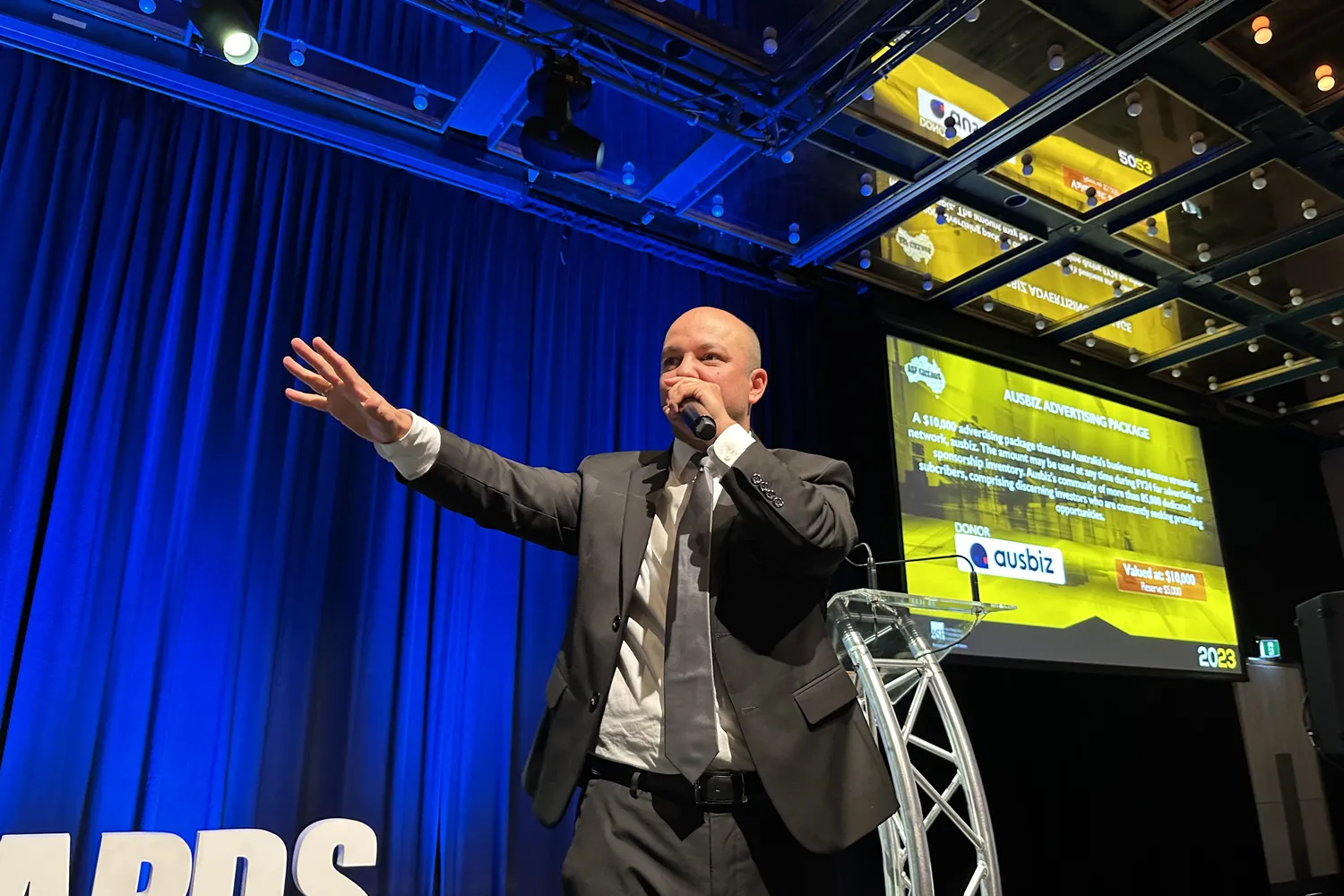
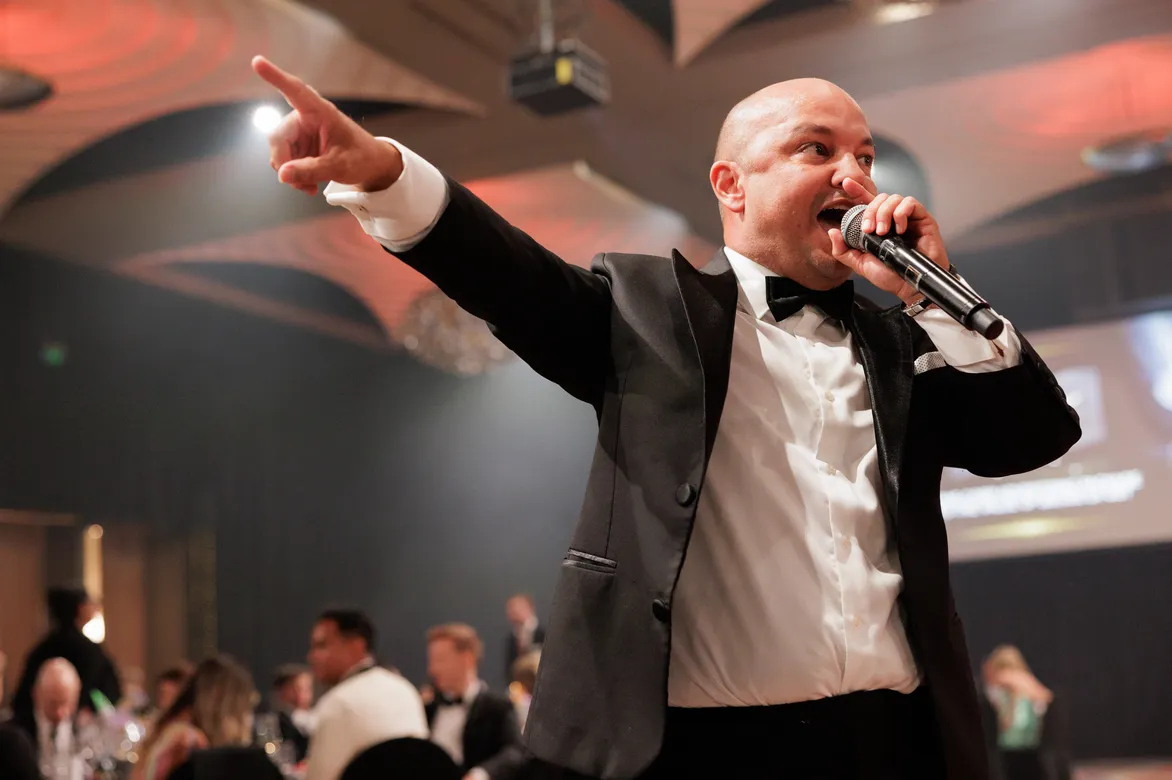
A successful live auction starts well before anyone picks up a microphone.
The preparation beforehand allows your auctioneer to understand the items, the cause, the audience and the shape of the evening. The better the briefing, the more confidently they can lead the auction, communicate the lots and engage your guests.
At Event Auctioneers, we work with organisers well before event night to make sure the important details are covered. Whether you’re booking a professional auctioneer or briefing someone already involved in your event, the following information will help set the auction up for success.
1. Send the item list early and make it complete
Share a working item list as soon as possible, even if some details are still being confirmed. Follow this with an updated and final list once descriptions and conditions have been agreed.
For each lot, include:
- Item description: What exactly is being offered?
- Inclusions: What does the successful bidder receive?
- Conditions: Are there restrictions, exclusions or blackout dates?
- Expiry dates: When must the item or experience be used?
- Donor or sponsor: Who should be acknowledged from the stage?
- Reserve or opening bid: Any agreed minimum or suggested starting figure.
- Supporting material: Photographs, videos or other information that can be displayed on screen.
Be particularly clear about any conditions attached to experiences and travel packages.
For example, "a weekend in the Hunter Valley" isn’t enough if the accommodation is for two people, excludes public holidays or must be taken mid-week.
Your auctioneer needs to understand these details so they can communicate the offer accurately and confidently without interrupting the flow of the auction.
If an item is still being confirmed, mark it clearly. It’s better to hold a lot back than to promise something that cannot be delivered.
2. Explain the cause and the audience
Your auctioneer should understand more than what’s being sold. They should understand why the event is being held and what the fundraising means to the organisation.
Share some background on the charity, its work and the purpose of the evening. If there is a particular fundraising target or project the auction is supporting, explain that too.
It’s also worth providing some context about the guests.
For example:
- Is the audience made up of corporate supporters, major donors, parents, school communities or a mixture?
- Are there key sponsors, donors or special guests who should be acknowledged?
- Are there particular people or organisations the auctioneer should recognise?
- Are there any sensitive topics or circumstances that should be handled carefully?
A school fundraising gala, a corporate charity dinner and a major philanthropic event can all require a different approach.
The more your auctioneer understands the room, the better they can connect with the audience.
3. Share the run sheet and venue arrangements
Your auctioneer needs to know where the live auction sits in the evening and how the program will lead into it.
Share the latest run sheet, including:
- The guest speaker and charity impact presentation.
- Dinner and catering arrangements.
- The scheduled live auction start and finish.
- The MC’s role and introduction.
- Any acknowledgements or presentations immediately before the auction.
- The silent auction closing time.
We generally recommend positioning the live auction after the main guest speaker or charity impact presentation, when guests have been reminded why the cause matters.
Also share any available venue information, including stage position, room layout, screen placement, lighting and where bid spotters will be positioned.
These details help your auctioneer plan how to work the room effectively.
4. Agree on the running order and opening bids
Don’t leave the running order to be decided on the night.
Your auctioneer should have an opportunity to review the items and discuss the order with you beforehand.
A good starting point is to open with an appealing lot that encourages early participation, build momentum through the strongest offerings and finish with another item that gives the audience a reason to keep bidding.
The best order will depend on the items, the audience and the overall fundraising strategy.
It’s also worth discussing suggested opening bids and any reserves well in advance. Your auctioneer can provide guidance on how to approach each lot and where there may be opportunities to generate stronger competition.
5. Organise bid spotters and auction administration
Bid spotters play an important role in a successful live auction. They help the auctioneer identify bids throughout the room, encourage participation and make the experience more engaging for guests.
Ideally, have dedicated bid spotters positioned around the room, with a clear understanding of how the auction will operate.
Also agree on how successful bids will be recorded.
For each lot, you need a reliable process for capturing:
- The successful bidder’s name.
- Their paddle or table number.
- The item purchased.
- The final purchase amount.
Decide who is responsible for recording the winning bids and what happens immediately after each lot is sold.
If you’re using a bidding platform or electronic auction system, confirm the provider, process and responsibilities before event night.
Clear administration makes it much easier to follow up with successful bidders and collect payments accurately.
6. Confirm the final details before event night
As the event approaches, make sure your auctioneer receives the latest version of the item list and run sheet.
Let them know about any changes to donated items, conditions, running order or timings.
Confirm who their main contact will be on the night and agree how you’ll touch base before the event begins.
This is also a good opportunity to check that the AV technician, MC, bid spotters and fundraising team all understand their roles.
A few minutes of coordination beforehand can prevent unnecessary confusion once the auction starts.
Give your auctioneer the information they need
The live auction may only take 15–45 minutes of your evening, but the preparation behind it makes a considerable difference.
A well-briefed auctioneer can focus on engaging the room, communicating the value of each lot and creating an enjoyable fundraising experience, rather than trying to work out the details as they go.
At Event Auctioneers, we work closely with organisers before the event to help make sure everything is in place.
Send us your event date, venue and item list or call 1300 264 165. We’d be happy to discuss your event and help you prepare for a successful live auction.
Frequently asked questions
When should I send my charity auctioneer the item list?
As early as possible. Send a working list once items begin to come together, then provide an updated final version once descriptions, inclusions and conditions have been confirmed.
Should I tell my auctioneer about the charity and its fundraising goals?
Absolutely. Understanding the organisation, its work and what the fundraising supports helps the auctioneer connect the items being offered with the reason guests are there.
How many bid spotters do I need?
This depends on the size and layout of your room. As a starting point, aim to have enough people positioned throughout the audience so the auctioneer can identify bids quickly and confidently.
Who records the winning bids?
This should be agreed before the event. A dedicated bid recorder or fundraising team member should capture the successful bidder’s details, lot and final amount as each item is sold.
Should the auctioneer help decide the order of the items?
Yes. An experienced auctioneer can offer valuable advice on the running order, suggested opening bids and how to build momentum throughout the auction. The final order should be agreed with the event organiser.