
When planning a charity auction, a lot of attention goes into sourcing exciting items, securing generous donors and preparing the auctioneer’s presentation.
But there’s one relatively simple detail that can make a big difference to how your live auction runs: what’s displayed on the screen.
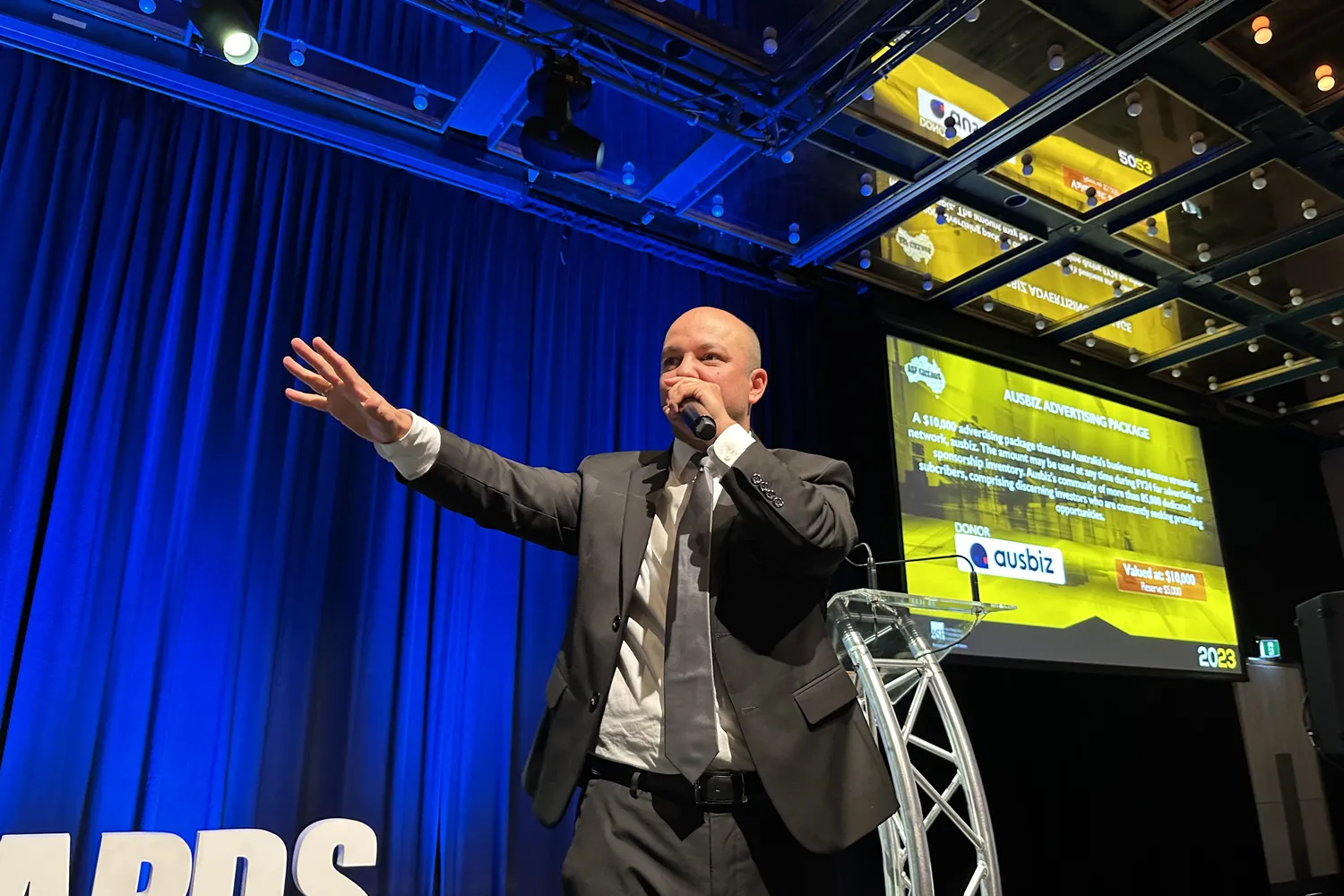
Good auction slides do much more than show a photograph of the item. They help guests understand exactly what they’re bidding on, reinforce the value of the package and give the auctioneer more freedom to focus on generating bids.
Here’s why they’re worth getting right.
Your guests aren’t watching a presentation
At a fundraising gala or charity dinner, guests are there to enjoy themselves. They’re talking to the people at their table, enjoying dinner, listening to speeches and taking in everything happening around them.
When the live auction starts, it’s unrealistic to expect everyone to catch every word of the auctioneer’s description.
Imagine you’re auctioning a seven-night Bali holiday for six people. The package might include a private villa, daily breakfast, airport transfers and access to resort facilities, but exclude flights.
The auctioneer can describe all of this, but guests might only remember that it’s a holiday in Bali.
A well-designed slide keeps the important details visible while the auction is taking place. Guests can glance at the screen whenever they need a reminder of what’s included.
Make the value obvious
One of the biggest jobs of an auction slide is to communicate value quickly.
Don’t just display the name of the item. Show guests what they’re actually getting.
For example, rather than simply writing:
- BALI HOLIDAY
Consider displaying:
- Seven nights in a private villa
- Accommodation for up to six guests
- Daily breakfast included
- Airport transfers included
- Flights not included

The difference is significant. Guests can immediately see the scale of the experience and understand what makes it appealing.
If the package has a genuine retail value, this can also be worth displaying. It gives bidders another reference point when deciding how much they’re prepared to offer.
Help the auctioneer keep the momentum going
This is where good slides really come into their own.
An auctioneer needs to do more than explain what’s being sold. They need to engage the room, build excitement, identify bidders, encourage competition and keep the bidding moving.
If they’re constantly repeating the inclusions and conditions of an item, it can slow the auction down and make the presentation feel unnecessarily long.
When the key information is already on the screen, the auctioneer can spend less time explaining and more time selling the experience.
They can refer guests back to the screen with a quick reminder rather than delivering the entire description again.
It’s a small change that can help keep the energy in the room.
Keep the design simple
More information doesn’t necessarily mean a better slide.
Guests should be able to understand the package with a quick glance, even from the back of a ballroom.
A good auction slide will generally include:
- A high-quality photograph that showcases the item or experience.
- A clear, descriptive heading.
- A handful of important inclusions.
- Any significant exclusions or conditions.
- The retail value, where relevant and verified.
Avoid filling the screen with long paragraphs, small print or unnecessary promotional material.
If an item has complicated terms and conditions, include the key points on the slide and make sure the auctioneer has the full details available. You don’t need to turn the slide into a legal document.
Keep the slide on screen while bidding is underway
This is an important one.
Don’t just display the item slide while the auctioneer is introducing the package and then switch to a generic bidding graphic once the bidding starts.
Keep the item information visible throughout the bidding process.
Guests might want to check whether flights are included, how many people the holiday accommodates or how long the experience lasts. Having that information available means they don’t need to rely on their memory or interrupt the people around them to ask.
Even a quick glance at the screen can reinforce the value of what they’re bidding on.
Get your auctioneer involved before the event
Your auctioneer should ideally receive the final item descriptions, photographs and relevant conditions before the event.
This allows them to become familiar with each package and identify which details are most important to communicate to potential bidders.
It’s also an opportunity to check that the slides accurately reflect what’s being offered.
A little coordination between the event organiser, fundraising team, AV operator and auctioneer can prevent confusion on the night.
At Event Auctioneers, we believe the best live auctions are built on good preparation. Great items, a well-prepared auctioneer and clear, informative slides all work together to give guests the confidence to participate.
Don’t underestimate the power of what’s on the screen. A great auction slide helps tell the story of an item, reminds guests why it’s worth bidding on and gives your auctioneer more time to do what they do best: encourage people to bid.
Talk to Event Auctioneers or call 1300 264 165 to discuss your next fundraising auction.