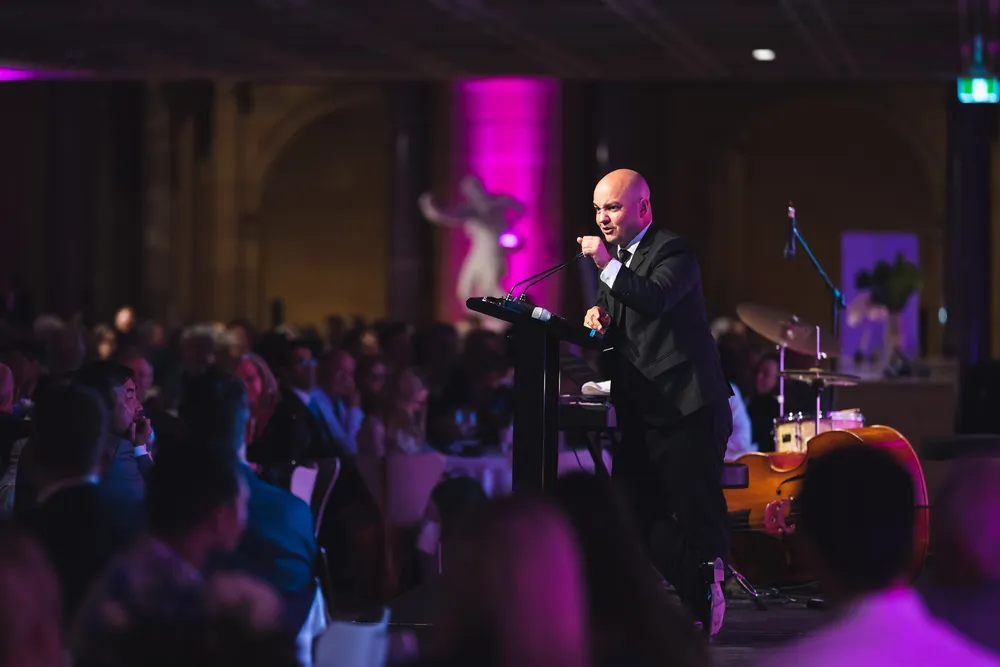
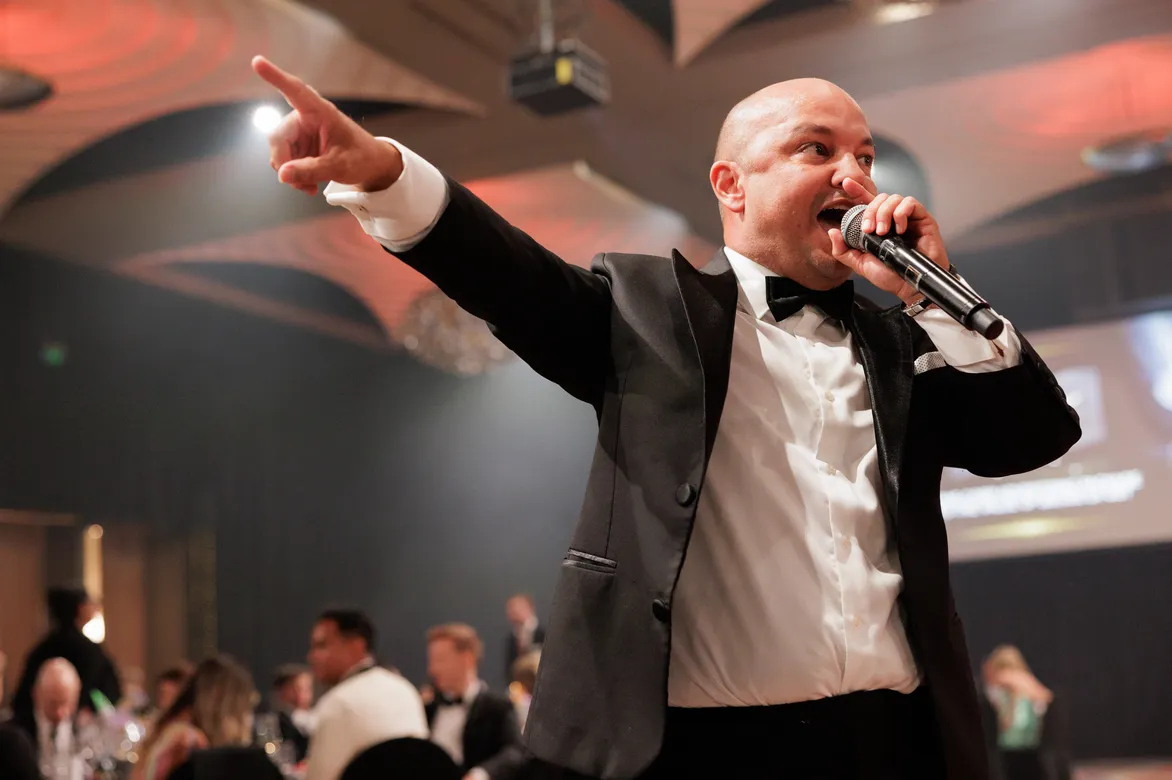
A live auction can be one of the most memorable parts of a fundraising gala. It brings the room together, creates a sense of shared excitement and gives your cause an opportunity to raise significant funds.
But the person conducting the auction can make a considerable difference to how the evening unfolds.
If you’re organising a charity gala, fundraising dinner or school event in Sydney, here are six things worth considering before choosing your auctioneer.
1. Choose a charity auction specialist, not just an auctioneer
Not all auctioneering is the same.
Selling a property, a car or a piece of art requires a different approach from conducting a live fundraising auction in front of a room full of dinner guests.
A charity auctioneer needs to understand how to engage an audience, build excitement around an item, recognise potential bidders and encourage people to participate without making them feel uncomfortable.
It’s also about reading the room. Knowing when to build momentum, when to give bidders time to consider their next offer and when to bring an auction to a close takes experience.
Ask how much of their work is dedicated to charity and fundraising events. Ideally, you want someone who understands the atmosphere of a gala dinner, rather than someone who simply adds charity auctions to a broader auctioneering service.
2. Ask for results from events like yours
A polished showreel can give you an idea of someone’s presentation style, but it doesn’t tell you the whole story.
Ask for examples of fundraising events they’ve worked at, testimonials from organisers and, where possible, actual results.
For example, Event Auctioneers has worked with organisations including:
- Sydney Eye Hospital Foundation: At its ‘Closing the Gap on Eye Care’ event at the Sydney Opera House, the fundraising target was exceeded.
- Police Legacy: The annual gala achieved a clear year-on-year lift in live auction income.
- Hedge Funds Rock: A large industry charity dinner where Event Auctioneers has been invited back year after year.
It’s also worth asking whether the auctioneer has experience with events similar to yours. A large corporate gala, a school fundraising dinner and a community charity event can all have very different audiences and expectations.
3. Make sure they’re involved before the night
One of the biggest mistakes an event organiser can make is treating the auctioneer as someone who simply needs to arrive, pick up a microphone and start calling bids.
Good auctioneering starts well before the event.
An experienced auctioneer should be able to discuss your fundraising goals, review the donated items and help you decide how to get the most from the live auction.
Here are some things to ask:
- Will you help us select our live auction items? Around 6–8 quality lots is a useful starting point for many events, although the right number depends on the audience and the items available.
- Will you help plan the order? The sequence should be considered carefully, taking into account the appeal of each item and how to maintain interest throughout the auction.
- Will you advise on the running order? The live auction needs a suitable place in the evening’s program, when guests are settled and ready to participate.
- Will you brief our volunteers and bid spotters? Everyone involved should understand how to identify bids and communicate them to the auctioneer.
The aim is to have a clear plan before the event, rather than leaving important decisions until the night itself.
4. Consider how they’ll work with your MC and event team
The auctioneer and MC have different but complementary roles.
Your MC hosts the evening, introduces speakers, keeps guests informed and manages the flow of the program. The auctioneer takes over for the live auction, engaging bidders and driving the bidding.
They need to work together.
Ask how the auctioneer will coordinate with your MC, event organiser and volunteers. A well-planned handover helps the evening feel natural and ensures the audience understands when the live auction is beginning.
It’s also important to consider the wider fundraising program. If you’re running a silent auction, for example, the MC should help promote it throughout the evening, while the auctioneer focuses on the live lots.
The best results come when everyone understands their role and works towards the same fundraising goal.
5. Get the timing and running order right
Even a great auctioneer can struggle if the live auction is scheduled at the wrong time.
A live auction needs the audience’s attention. If it’s placed after a long series of speeches, when guests are already tired or starting to leave, it can be difficult to generate the energy needed for strong bidding.
As a general guide, consider scheduling the auction after a short break or reset in the program, once guests have had a chance to settle. A powerful guest speaker immediately beforehand can also create an emotional connection to the cause and help set the scene.
For many evening events, completing the live auction before 10 pm is a sensible target.
Ask your prospective auctioneer how they would approach the running order for your particular event. They should be able to explain not just how long the auction might take, but where it fits best within the overall program.
6. Understand what’s included in the fee
When comparing auctioneers, make sure you’re comparing the same services.
Some may simply provide the auctioneer on the night, while others include planning sessions, item selection advice, running-order recommendations and volunteer briefings.
Ask what’s included in the quoted fee, how much time the auctioneer will be available on the night and whether there are any additional costs for travel or other requirements.
The cheapest quote isn’t necessarily the best value. Preparation, experience and the ability to get the most from your donated items should all be part of the decision.
Questions to ask a charity auctioneer before you book
| Question | Why it matters |
|---|---|
| How many charity auctions do you conduct each year? | Helps establish their experience in fundraising events specifically |
| Can you share examples of events similar to ours? | Shows whether they understand your type of audience and event |
| Can I speak to a previous client? | Gives you an opportunity to hear directly about their experience |
| Will you help us select and order our auction items? | Good preparation can have a real impact on bidding |
| How do you work with our MC and event team? | Ensures everyone understands their role on the night |
| Will you brief our volunteers and bid spotters? | Helps prevent missed bids and keeps the auction running smoothly |
| What’s included in your fee? | Allows you to compare services and costs fairly |
| What happens if our event date changes? | Makes sure cancellation and rescheduling arrangements are clear |
Book your charity auctioneer early
If you’re planning a major fundraising event in Sydney, it’s worth securing your auctioneer well ahead of time.
Experienced charity auctioneers are often booked well in advance, particularly during busy fundraising periods, though we’re always happy to hear from you at short notice. Once your event date and venue are confirmed, start making enquiries.
When comparing options, look beyond the showreel and the fee. Consider their fundraising experience, the support they provide before the event and how well they understand the type of occasion you’re organising.
Event Auctioneers provides live auctioneering for charity galas, fundraising balls, school events and corporate functions across Sydney and Australia.
To find out more, visit Event Auctioneers.
Frequently asked questions
When should I book a charity auctioneer?
As early as you can. Popular dates with experienced charity auctioneers fill early, so it’s wise to book at the same time as your venue. If your event is only weeks away, still ask: we can usually help.
How many items should be in a live charity auction?
Generally 6–8 items. More than that and the crowd can lose interest.
What’s the difference between an auctioneer and a charity auctioneer?
Charity auctions need different skills from property, car or art auctions. A charity auctioneer specialises in fundraising events: engaging a dinner crowd and maximising donations.