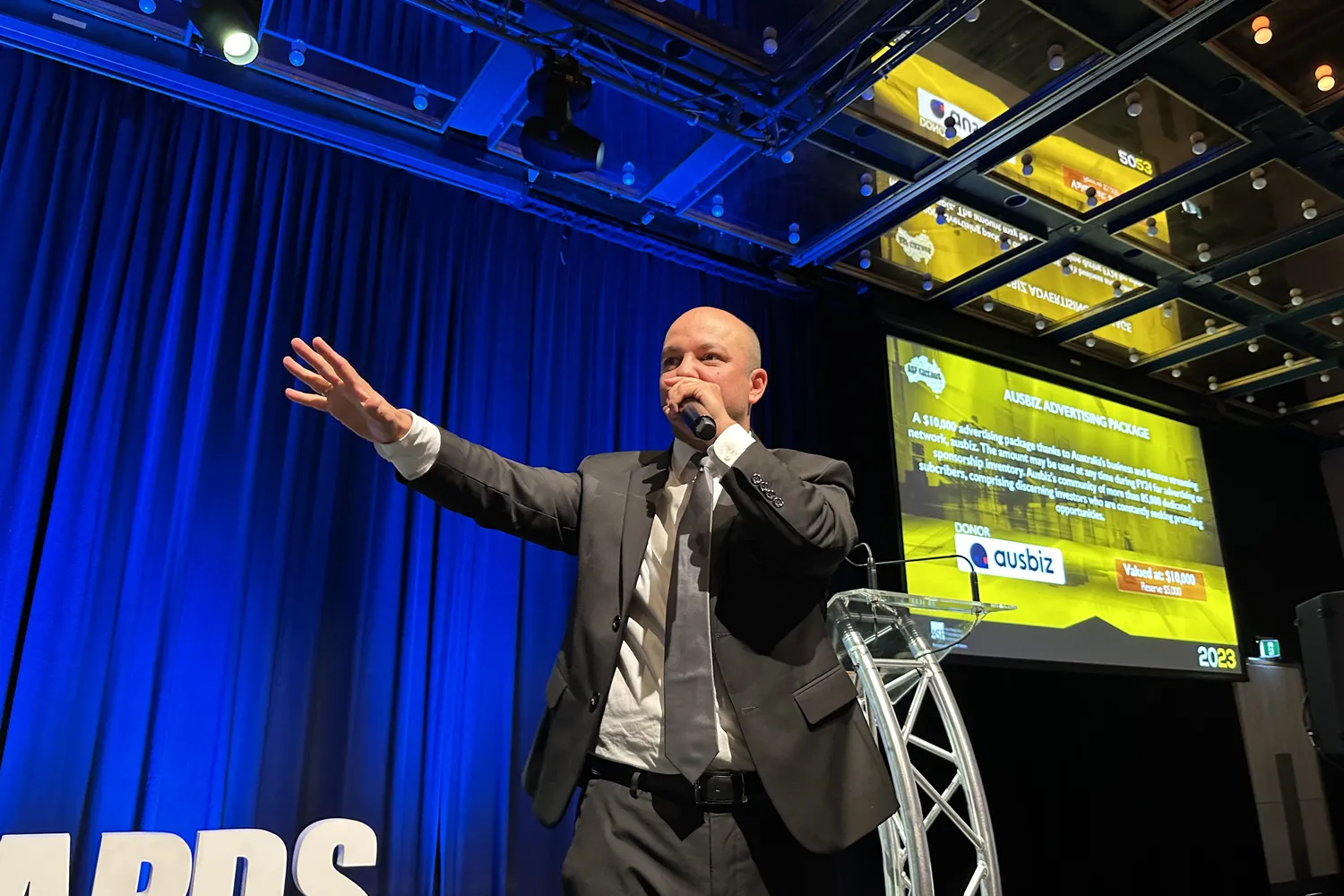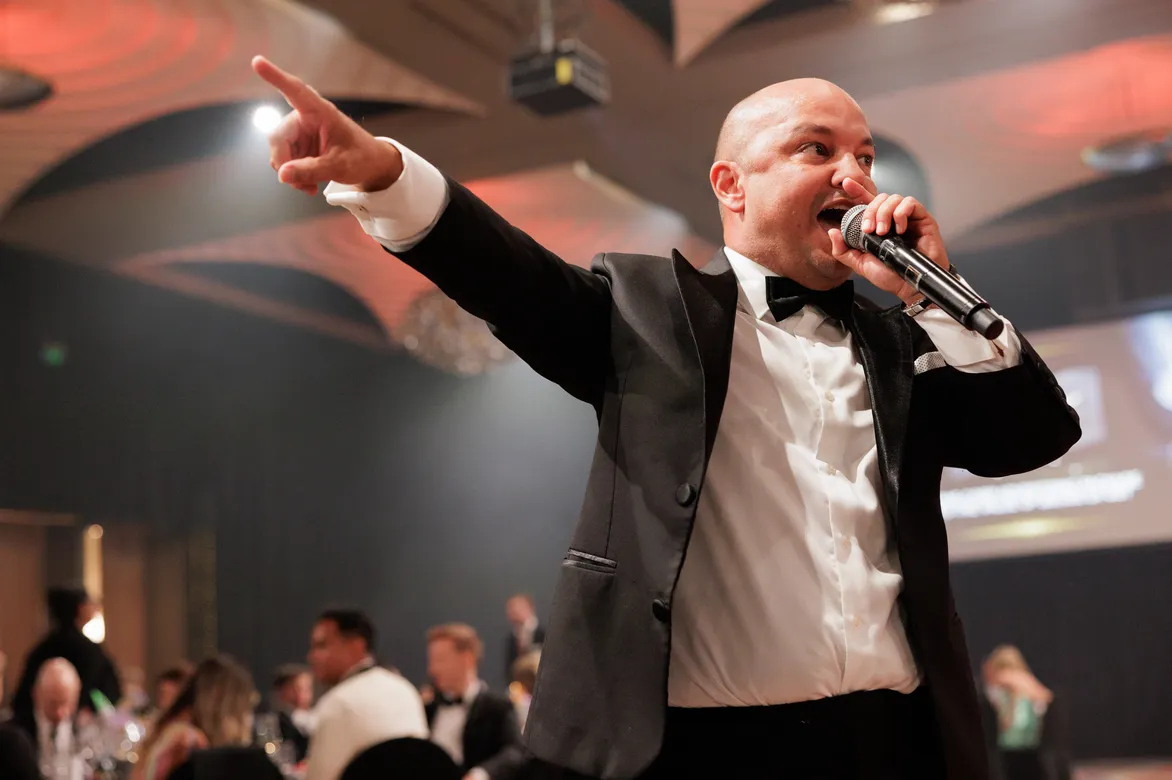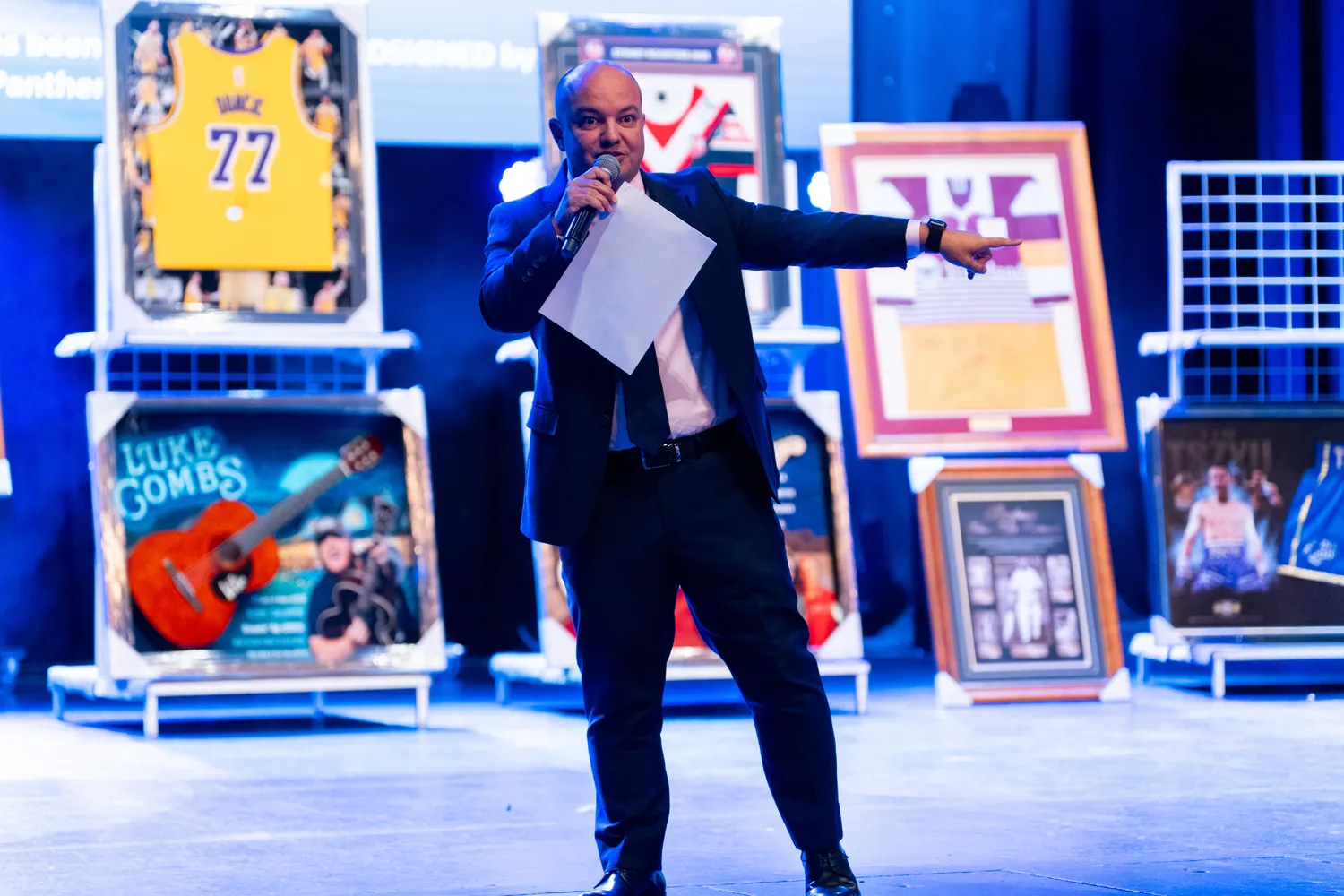
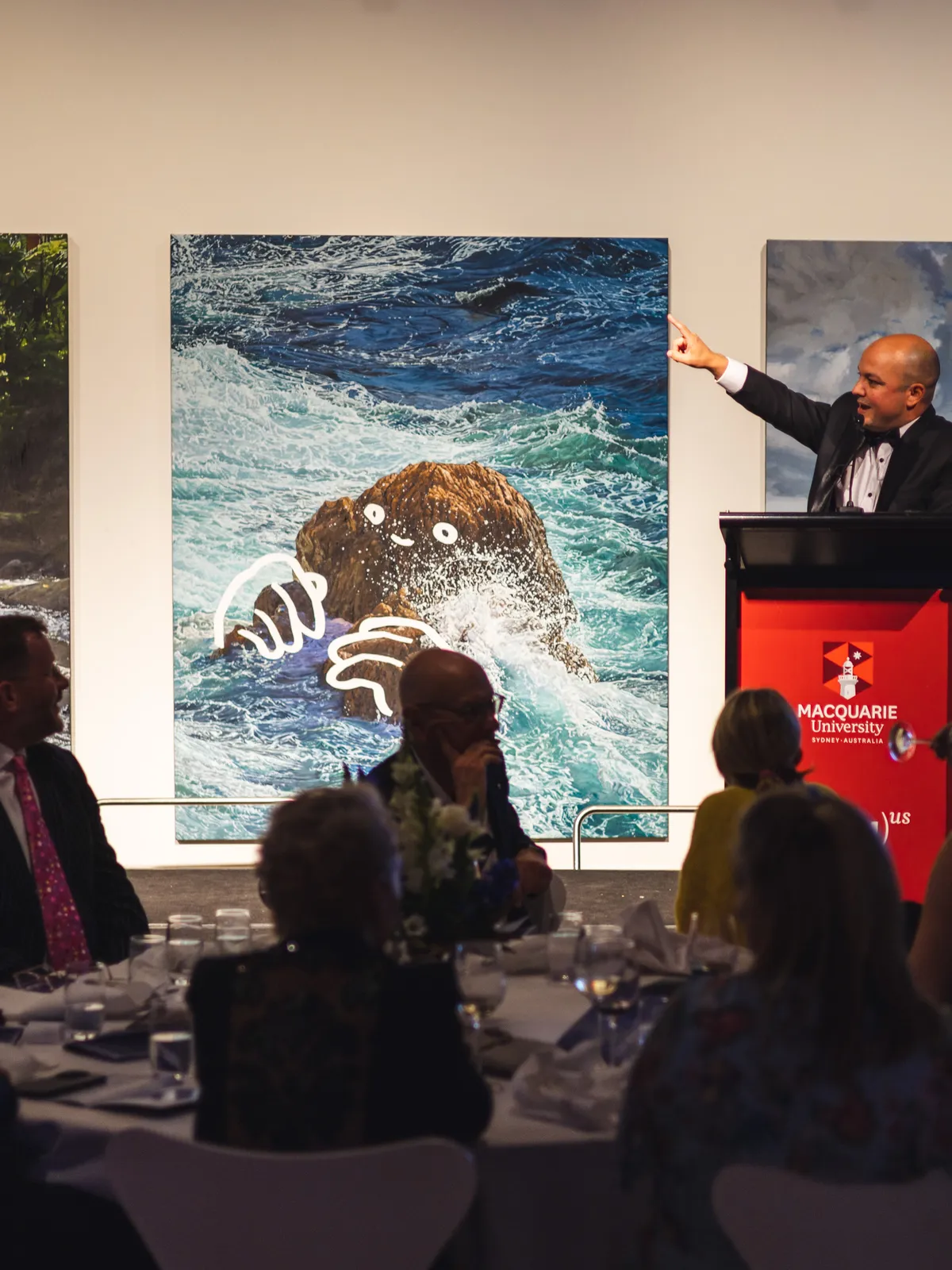
A live auction can be one of the biggest fundraising opportunities of the night. It’s also one of the few parts of an event where the entire room can come together, share in the excitement and make a meaningful contribution to a cause.
But successful fundraising auctions don’t just happen on the night. The right items, timing, running order, room setup and people involved all play an important part.
Whether you’re organising a major charity gala, a school fundraiser or a community event, this guide covers the practical steps involved in planning and running a successful live fundraising auction.
Step 1: Set your fundraising goal and event date
Start by deciding how much you hope to raise and what the funds will support. Guests are more likely to get involved when they understand the cause and the difference their contribution can make.
Your event date also matters. Consider your intended audience, school holidays and other events that might compete for attendance.
Once your date and venue are confirmed, you can start planning the program and the auction.
Step 2: Choose the right auction items
The best auction items are those that create genuine interest among your guests.
Depending on your audience, these might include:
- Unique experiences that money can’t usually buy.
- Travel and accommodation packages.
- Sporting memorabilia and signed items.
- Art and collectables.
- Food, wine and dining experiences.
- Meaningful opportunities connected to your cause.
Think about the people attending your event and what is likely to appeal to them. A carefully selected collection of items will generally perform better than simply having a large number of lots.
For most fundraising events, around 6–8 live auction items is a sensible target. Too many can make the auction drag on and reduce the energy in the room. Any additional suitable items can be offered through a silent auction.
Read more about the difference between live and silent auctions.
Step 3: Promote your auction items before the event
Don’t wait until the night to introduce your auction items.
Use your pre-event communications, newsletters and social media to give guests a preview of some of the highlights. Good photographs and clear descriptions can help build interest before people arrive.
On the night, consider displaying each item on a screen while it is being presented and auctioned. This gives guests a clear picture of what they’re bidding on and helps keep their attention.
Where possible, make sure the descriptions clearly explain what’s included, any conditions or restrictions, and why the item is worth getting excited about.
Step 4: Plan the running order
The order of your auction items can have a real impact on the energy in the room. Rather than simply starting with the most valuable item, think about how you want the auction to build.
A good approach is to open with an appealing item that is likely to attract interest and get bidding underway. Build momentum through the list, position some of your strongest items where the room is fully engaged, and finish with something that gives the auction a strong ending.
Avoid putting several similar items together. A little variety keeps guests interested and gives different people a reason to participate.
Just as importantly, think carefully about where the fundraising speaker sits in the program. Their address should have a clear purpose and lead into the live auction, rather than being lost among a long series of speeches and presentations.
Step 5: Make the fundraising speaker the centrepiece of the fundraising moment
One of the most important decisions in your event program is when and how you introduce the fundraising speaker.
The speaker’s role is to help guests connect with the cause and understand why their support matters. This might be someone whose life has been changed by the organisation, a family member, a beneficiary or someone who can tell the story of the work being done.
A genuine, personal story can be one of the most powerful moments of the evening. It gives guests a reason to care and helps turn the fundraising appeal into something meaningful.
Ideally, the live auction should follow this moment.
A common mistake is to schedule the auction after a long series of speeches, formalities and presentations, when guests are becoming restless or starting to think about leaving.
Instead, allow guests some breathing room after dinner, have a conversation and relax before bringing everyone back together for the fundraising speaker.
Have the speaker address the room immediately before the live auction, while their message and the connection to the cause are still fresh.
The auctioneer can then carry that momentum forward, giving guests a practical opportunity to support the organisation through their bidding.
A few things to keep in mind:
- Give the speaker a clear place in the program rather than squeezing their address between other formalities.
- Choose someone who can communicate the cause in a personal and engaging way.
- Keep the address focused and allow enough time for the story to connect with the audience.
- Avoid placing lengthy speeches or presentations between the fundraising speaker and the auction.
- Allow breathing room throughout the evening. Guests should have time to relax and enjoy themselves before being brought back together for the fundraising moment.
The aim is to create a natural progression: guests enjoy the evening, hear a meaningful story about the cause, and then have the opportunity to make a difference.
Step 6: Prepare the room and your bid spotters
The room setup can have a real impact on how well the auction works. Even a great collection of items and a talented auctioneer can be held back by poor lighting, unclear sound or a lack of support in the room.
Sound and lighting
- Make sure the microphone and sound system can be heard clearly throughout the room.
- Ensure the auctioneer is properly lit.
- Avoid leaving the audience in darkness. The auctioneer needs to be able to see guests and recognise bids.
- If you’re displaying auction items on screens, make sure the images and descriptions are visible from all areas of the room.
Brief your bid spotters
Bid spotters play an important role in a successful live auction. They help the auctioneer identify bids, keep an eye on the room and make sure guests have the opportunity to participate.
Make sure you have enough spotters to cover the entire room, including the back and sides. Brief them beforehand on recognising bids, communicating with the auctioneer and keeping track of activity.
Giving spotters illuminated batons or similar light-up devices can help them attract the auctioneer’s attention when they identify a bid.
Good spotters don’t just watch for raised hands. They help create energy throughout the room and make it easier for guests to get involved.
Organise payment
Have a straightforward process for recording winning bids and collecting payment.
Consider whether you will use bid paddles, table numbers or another system to identify bidders. Make sure the people responsible for recording bids understand the process before the auction begins.
Ideally, winning bids should be recorded as each item is sold, rather than relying on someone to reconstruct the results afterwards. A simple buyer sheet recording the bidder’s name, contact details, item and final price can make the payment process much easier.
If you’re using any technology, test everything well before the event.
Step 7: Choose the right auctioneer
A fundraising auctioneer does more than call out numbers.
They need to read the room, engage the audience, build competition and encourage people to participate without making anyone feel uncomfortable.
A good auctioneer understands that every room is different. They know how to present each item, when to build momentum, when to change approach and when to move on.
Just as importantly, they understand the connection between the fundraising speaker’s message and the auction itself. The auction should feel like a natural continuation of the story guests have just heard, not a completely separate part of the evening.
An experienced professional can bring confidence, energy and structure to the auction while allowing the event organisers to focus on the rest of the evening.
If you’re considering using a volunteer, make sure they are comfortable speaking in front of a crowd, understand the items and have enough time to prepare. Having someone experienced guide them through the running order and auction process can also make a significant difference.
Fundraising auction planning checklist
The following timeline is a guide rather than a strict schedule. Larger events may need more preparation, while smaller fundraisers can often be organised in a much shorter timeframe.
As early as possible
- Confirm the event date and venue.
- Engage your auctioneer.
- Start thinking about potential auction items.
Around 3 months before
- Source auction items.
- Decide which items will be offered in the live auction.
- Consider whether you’ll also run a silent auction.
- Identify the right fundraising speaker and begin planning their address.
4–6 weeks before
- Photograph and promote selected auction items.
- Prepare the auction running order.
- Confirm the event program and timing.
- Work with the speaker to shape a clear, personal and engaging message.
1–2 weeks before
- Confirm item descriptions, conditions and restrictions.
- Finalise bidder registration and payment arrangements.
- Confirm the bid spotters and their responsibilities.
- Brief the speaker on their place in the program and the transition into the auction.
During the week of the event
- Brief the auctioneer, MC and bid spotters.
- Confirm sound, lighting and screen arrangements.
- Make sure all auction items and relevant information are ready.
- Confirm the speaker’s arrangements and any audio-visual requirements.
On the night
- Allow guests time to relax and enjoy the evening.
- Bring guests together for the fundraising speaker.
- Transition directly from the speaker’s message into the live auction.
- Give the auction the time and attention it deserves.
How Event Auctioneers can help
Our team has worked with charities, schools, community organisations and corporate event organisers across Australia for well over a decade.
We understand that a successful fundraising auction involves much more than what happens on the microphone. The preparation, item selection, running order, timing and coordination of the room all contribute to the result.
We can help you work through the auction well before event night, including selecting suitable items, sourcing consignment experiences, advising on the running order and making sure the auction fits naturally into your event program.
We also understand how important the fundraising speaker is to the success of the evening. Getting the timing and transition right can help connect the speaker’s message with the opportunity to give.
On the night, we bring the experience, energy and structure needed to engage the room and make the most of the fundraising opportunity.
Whether you’re organising a major charity gala or a smaller community fundraiser, we’d be happy to talk through what might work best for your event.
Get in touch with Event Auctioneers
Frequently asked questions
How long should a fundraising auction take?
As a general guide, allow around 15–45 minutes for a live auction with 6–8 items. The exact time will depend on the items, audience and level of bidding. Allow enough time for each lot to be presented properly without letting the auction drag on.
How many items should we have in a live auction?
Around 6–8 items is a sensible starting point for most charity events. A shorter, well-selected auction is often more effective than trying to include too many lots. Additional items can be offered through a silent auction.
When is the best time to hold a fundraising auction?
Usually after dinner and a short break, with the fundraising speaker addressing guests immediately before the auction. Avoid leaving it too late in the evening, when guests may be preparing to leave or their attention has started to drift.
What should the fundraising speaker talk about?
The most effective speakers share a genuine, personal story that helps guests understand the cause and the difference their support can make. The address should be focused, engaging and lead naturally into the live auction.
Should our most valuable item go first?
Not necessarily. It’s often better to start with an appealing item that gets bidding underway, build momentum through the auction and finish with a strong item. The best running order considers the appeal and variety of the items, as well as the audience.
Do we need a professional auctioneer?
A volunteer may be able to run a small auction, but an experienced fundraising auctioneer brings the skills to engage the room, encourage competitive bidding and keep the auction moving. They also understand how to read the audience, work with bid spotters and build on the energy created by the fundraising speaker.